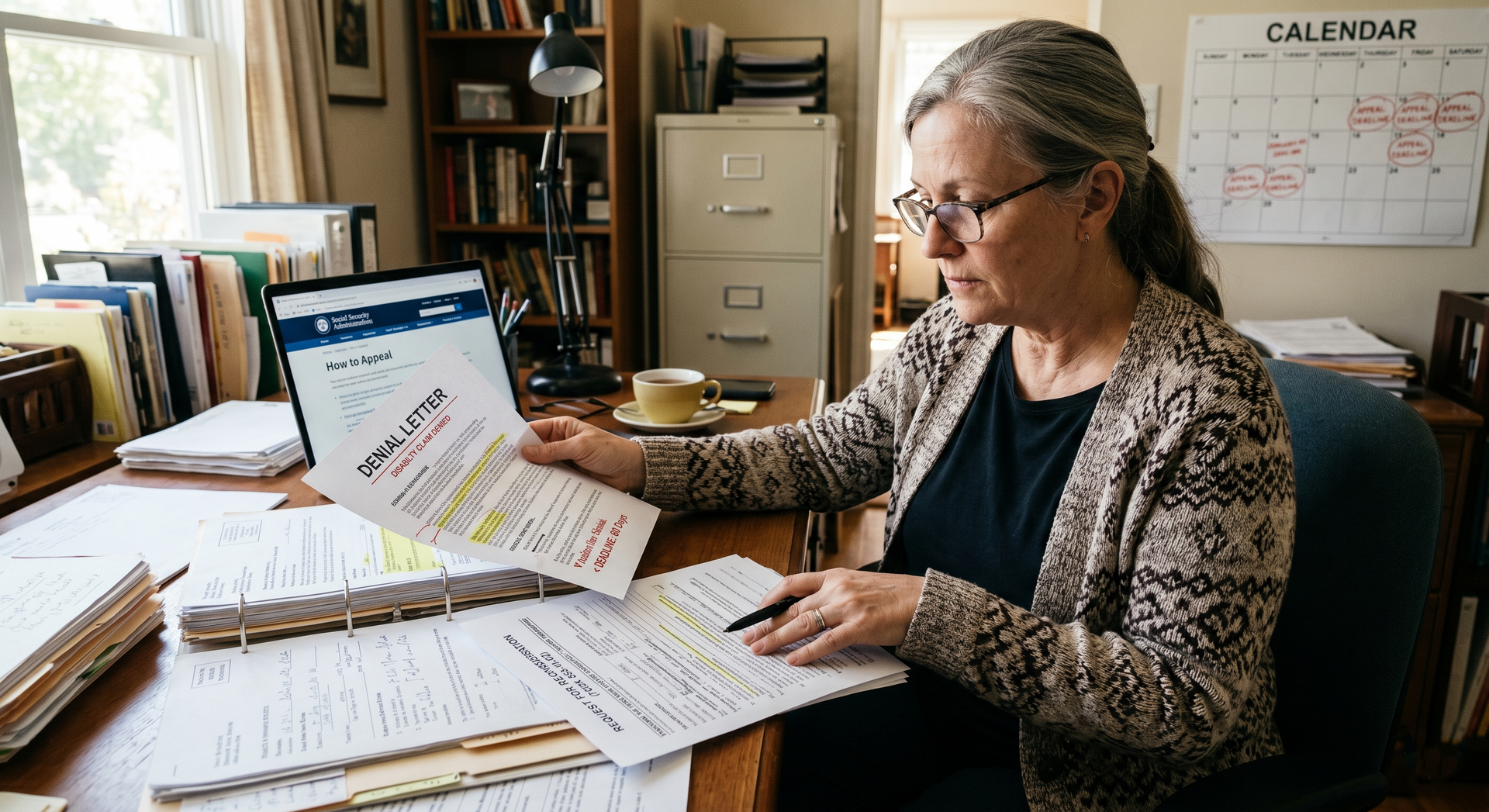
Understanding Social Security Disability Claims: 7 Common Mistakes
7 Mistakes That Can Ruin Your SSDI Claim in Illinois

Filing for Social Security Disability Insurance (SSDI) or Supplemental Security Income (SSI) can feel like navigating a maze. Unfortunately, many deserving applicants are denied—not because they don’t qualify, but because of avoidable mistakes.
At Craig F. Miller Law Firm, we’ve helped clients throughout Illinois fight for the benefits they deserve. Here are the 7 most common mistakes we see—and how you can avoid them to strengthen your claim.
1. Waiting Too Long to Apply
Many people delay applying, thinking they need to be out of work for 12 months before starting. That’s a myth. You can apply as soon as it’s clear your disability is expected to last a year or more.
Delaying can:
- Risk missing deadlines
- Hurt your “date last insured” eligibility for SSDI
- Create gaps in medical records that raise red flags
✅
Tip: Start your application early and consult a disability attorney to evaluate your timeline.
2. Failing to Provide Complete Medical Records
Social Security wants comprehensive evidence of your medical condition and its impact on your ability to work. Too many applicants assume SSA will request everything themselves—they won’t.
Common documentation issues:
- Missing recent test results or treatment summaries
- Gaps in care
- Inconsistent provider notes
- Not listing all treating doctors
3. Continuing to Work While Applying
You can’t claim that you’re unable to work and still be earning above SSA’s threshold.
For 2025, the Substantial Gainful Activity (SGA) limit is $1,550/month for non-blind individuals. Earning more than that—even part-time—may result in automatic denial.
💡 Exceptions exist for short-lived work attempts or jobs in sheltered environments, but you should speak to a lawyer before applying if you’re still employed.
4. Not Following Your Doctor’s Treatment Plan
SSA expects that you’re doing everything medically reasonable to improve your condition. If you skip appointments, don’t take prescribed medications, or refuse surgery without explanation, your claim may be denied.
The SSA examiner will ask:
- Are you doing everything possible to treat your condition?
- Is your disability truly preventing you from working—or could it improve with treatment?
Document why, if you're unable to follow a plan (e.g., cost, side effects, religious beliefs).
5. Inconsistent Statements
One of the fastest ways to get denied? Contradict yourself.
Be consistent in:
- Doctor’s office statements
- Disability applications
- Work history and symptoms
- Daily activity reports
📝 Example: If your application says you can’t lift 10 lbs, but your doctor notes you’re “lifting your toddler daily,” that inconsistency may lead to a denial.
Our legal team helps clients prepare accurate, consistent evidence that aligns across all documents.
6. Going It Alone After a Denial
Over 60% of first-time SSDI claims are denied. That doesn’t mean you should give up—but it does mean you should get legal help before the appeal.
Appealing without a lawyer often leads to:
- Missed appeal deadlines
- Weak hearing preparation
- Poor presentation of medical evidence
- A lack of understanding of legal criteria
At Craig F. Miller Law Firm, we represent clients through every stage of the appeals process—request for reconsideration, hearing, and beyond.
7. Not Knowing Which Program to Apply For
There are two major disability programs:
- SSDI – For those who have worked and paid into Social Security
- SSI – For those with limited income/resources, regardless of work history
Mistakenly applying for the wrong one can lead to:
- Delays
- Denials
- Missed financial opportunities (e.g., back pay or Medicare eligibility)
We help clients determine the right path—and maximize every benefit they're entitled to.
FAQs – Social Security Disability in Illinois
How long does it take to get a decision?
Initial decisions take about 3–6 months. If denied, the appeals process can take 12–18 months depending on the hearing backlog.
Can I get back pay if approved?
Yes. SSDI back pay is often available from your disability onset date (minus a 5-month waiting period). SSI back pay is calculated from the application date.
What medical conditions qualify?
SSA uses a "Blue Book" list, but any condition that prevents full-time work for 12+ months may qualify. Common examples:
- Chronic pain
- Back injuries
- Cancer
- Mental illness
- Neurological disorders
How much does a disability lawyer cost?
Disability attorneys work on a contingency basis. You pay nothing upfront, and we only get paid if you win—typically from back pay.
Where are hearings held in Illinois?
Hearings are usually held at
SSA Offices of Hearings Operations (OHO),
including Chicago, Orland Park, and Oak Brook. Many are now virtual or by phone.
How Craig F. Miller Law Firm Helps with Disability Claims
For over 40 years, we’ve helped people across Cook County and beyond fight for the benefits they’ve earned. We assist with:
- Initial SSDI and SSI applications
- Appeals and hearing representation
- Gathering medical records and physician statements
- Communicating with SSA on your behalf
- Avoiding common legal and procedural errors
📞 Call us today at
(708) 422‑1121
📧 Email: cfmillerlaw@yahoo.com
📍 Visit: 11800 S 75th Ave, Suite 102, Palos Heights, IL 60463
📅 Open Monday–Friday, 9am–5pm | Weekends by appointment
🔗 Schedule a Free Consultation